In regions prone to earthquakes, ensuring the safety and stability of buildings is of utmost importance. One crucial component of a building’s structural integrity is a seismic bracing system. This system is designed to mitigate the impact of seismic activity by providing additional support to structural components, preventing damage and potential collapse. In this article, we will explore the significance of seismic bracing systems in construction and discuss their various types and applications.
seismic bracing systems are essential for ensuring the safety of occupants and protecting buildings from structural damage during earthquakes. These systems are typically made up of a combination of braces, connectors, and fasteners that work together to provide lateral support and resistance to seismic forces. By distributing these forces throughout the building’s structure, seismic bracing systems help minimize the risk of structural failure and collapse.
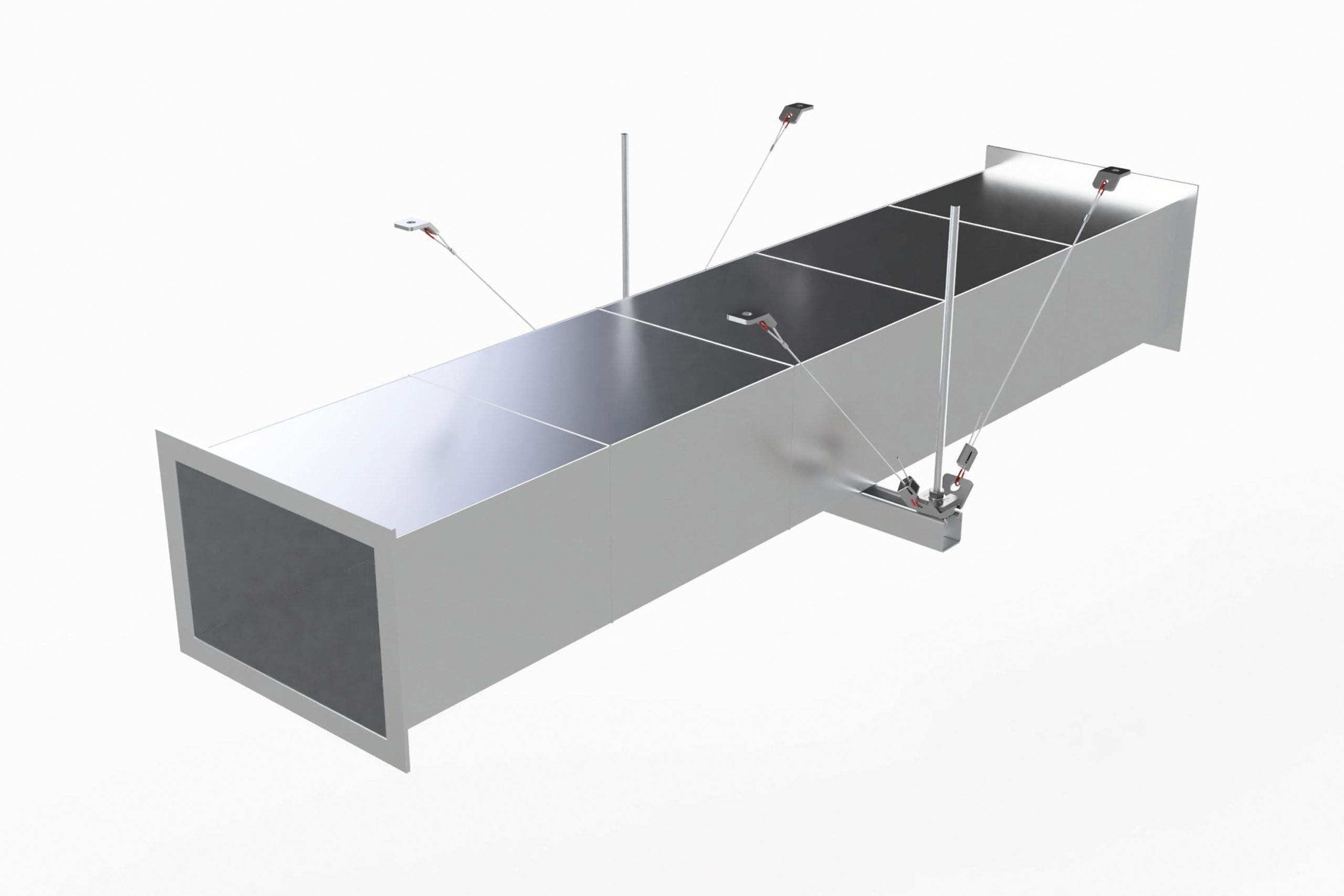
One of the key benefits of seismic bracing systems is their ability to enhance a building’s resilience to seismic activity. By adding extra support to critical structural elements such as beams, columns, and walls, these systems can significantly reduce the likelihood of damage during an earthquake. This not only protects the building itself but also ensures the safety of its occupants, preventing injuries and potential loss of life.
There are several types of seismic bracing systems that are commonly used in construction, each with its unique characteristics and applications. One of the most common types is X-bracing, which consists of diagonal braces that are installed between beams and columns to provide lateral stability. X-bracing is effective at resisting horizontal forces and is often used in steel-framed buildings.
Another popular type of seismic bracing system is eccentric bracing, which involves placing braces off-center to the building’s center of mass. This design helps to dissipate seismic forces more effectively and is particularly useful in high-rise structures. Eccentric bracing systems are known for their strength and flexibility, making them a popular choice for buildings located in earthquake-prone regions.
In addition to these traditional bracing systems, there are also innovative technologies being developed to improve the performance of seismic bracing. One such advancement is the use of base isolators, which are devices that separate the building from its foundation to reduce the transfer of seismic forces. Base isolators can significantly enhance a building’s resilience to earthquakes by allowing it to move independently of the ground motion.
seismic bracing systems are not only crucial for new constructions but also play a vital role in retrofitting existing buildings to meet modern seismic safety standards. Retrofitting older structures with seismic bracing can help improve their resistance to earthquakes and extend their lifespan. By reinforcing key structural components and adding supplementary bracing, existing buildings can be made more resilient to seismic activity.
In conclusion, seismic bracing systems are a vital component of modern construction, particularly in earthquake-prone regions. These systems provide essential support and stability to buildings, protecting both the structure and its occupants from potential harm. By investing in quality seismic bracing systems, builders can ensure the long-term safety and resilience of their constructions, contributing to a safer and more secure built environment for all.
Overall, the significance of seismic bracing systems in construction cannot be overstated. These systems are essential for mitigating the impact of seismic forces and ensuring the structural integrity of buildings in earthquake-prone regions. By incorporating seismic bracing into building designs and retrofitting existing structures, builders can help create a more resilient and disaster-resistant built environment for future generations.